

Training, tickets and verification of competency
A safe work method statement only works if the people signing onto it understand the controls it describes. That is why competency sits inside our WHS system rather than beside it: every worker on a CEDR site is matched to the tasks on the scope before they are allocated, and the evidence for that match is held against the project record.
A ticket is not the same as competency
A statement of attainment or high-risk work licence proves a person was assessed as competent on a particular day, on particular equipment, under particular conditions. Demolition rarely repeats those conditions. An operator who has spent three years on a 20-tonne excavator in open civil ground is not automatically ready for a partially collapsed structure with live services nearby. Formal training establishes the baseline; a verification of competency (VOC) confirms the person can still apply it here, on this plant, on this site.
How we run VOCs
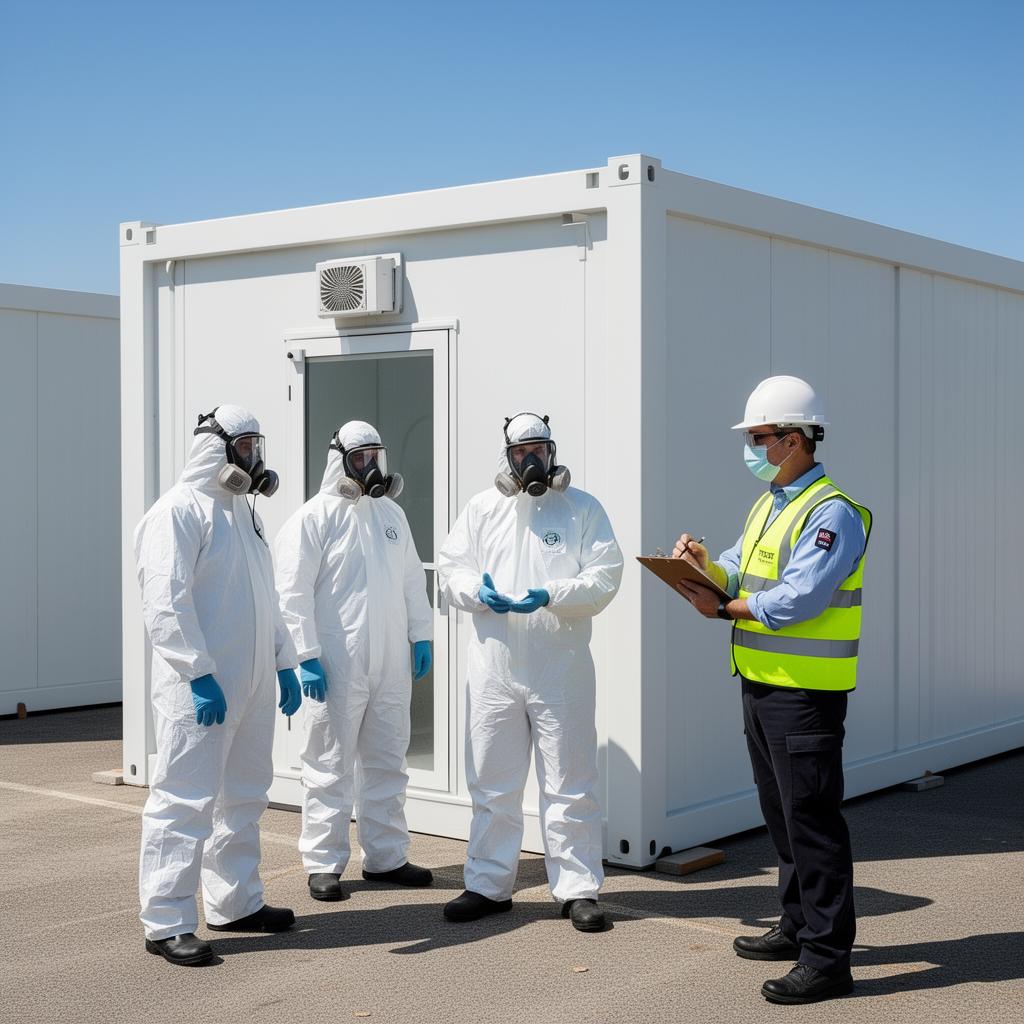
VOCs are practical and observed. A supervisor watches the task performed — pre-start and fault reporting, exclusion zones, spotter communication, load and structure assessment, isolation checks, shutdown and park-up — and records the outcome against the worker and the plant item. Where a gap shows up, the worker is either coached and re-verified or reallocated to work they hold current competency for. We re-run VOCs when someone returns from an extended break, moves onto unfamiliar plant, or after an incident or near miss involving that task.
Skills are a safety control, not a filing requirement
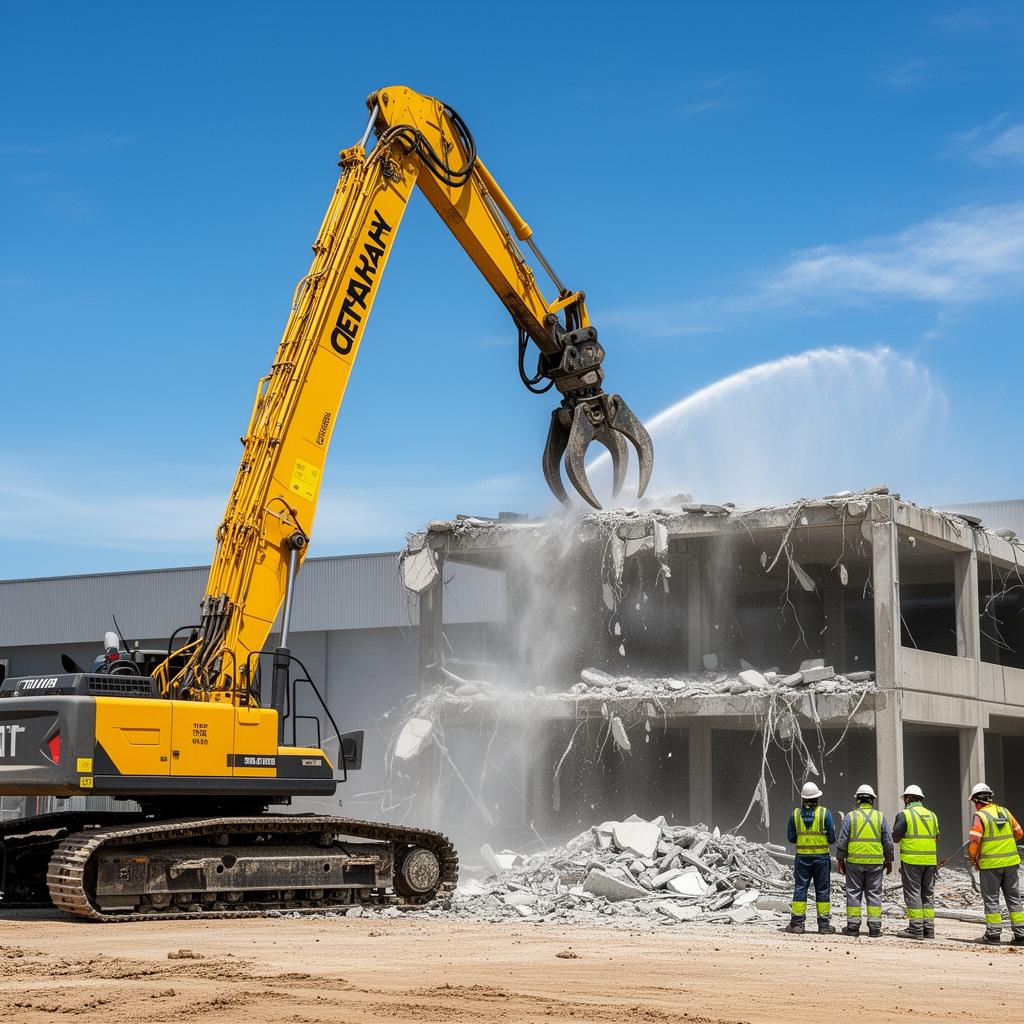
Most incidents on demolition sites are not caused by people ignoring a rule — they are caused by someone doing a task they had never been properly shown how to do safely. That is why we treat skills the same way we treat exclusion zones or isolation: as a control that has to be in place before work starts, and one that fails quietly if nobody checks it. If a control on the SWMS depends on a spotter reading a structure correctly, then that spotter's competency is the control.
We invest in that deliberately. Supervisors carry the state-specific supervisor credential for the work they are running — the NSW Demolition Supervisor Skill Set for New South Wales work and the QLD Demolition Supervisor Skill Set for Queensland work — because we hold demolition licences in both states and will not run a job with a supervisor credentialled for the wrong jurisdiction. Below supervisor level, crews are trained and re-assessed for the specific tasks on their allocation, and experienced operators without formal paperwork are put through assessment rather than quietly relied on.
The practical payoff is that our safety documents are written to be used, not filed. A crew that understands why a control exists will stop work when conditions change, report the near miss that nobody saw, and give a straight answer at a pre-start. Training is what buys that, and it is the reason competency records sit alongside hazard reports and corrective actions in the same system rather than in a separate folder.
Keeping the evidence current
Expired credentials are a live risk, not an administrative one. Tickets, licences, medicals and VOC records are tracked with expiry dates in our internal registers, and re-credentialling is scheduled before a ticket lapses rather than after a principal contractor's audit finds it. On request, we provide a competency matrix for the crew proposed for a scope as part of pre-qualification.
CEDR does not issue qualifications or licences. Nationally recognised training is delivered and issued by the registered training organisation, and licensing decisions are made by the relevant WHS regulator — WorkSafe Queensland and SafeWork NSW. This page describes how CEDR manages its own work and is not legal advice.